Our Unit Converter
The ESI Unit converter allows you to quickly and easily access a conversion tool to work out your preferred unit of pressure measurement wherever you may be. Whether out on-site or in the office.

Download the ESI-USB© Software
The ESI-USB© software allows you to connect your ESI transducer to your laptop or PC and be up and running monitoring pressure data within ten minutes. The software auto-updates and is compatible with Windows 8, 10 & 11.
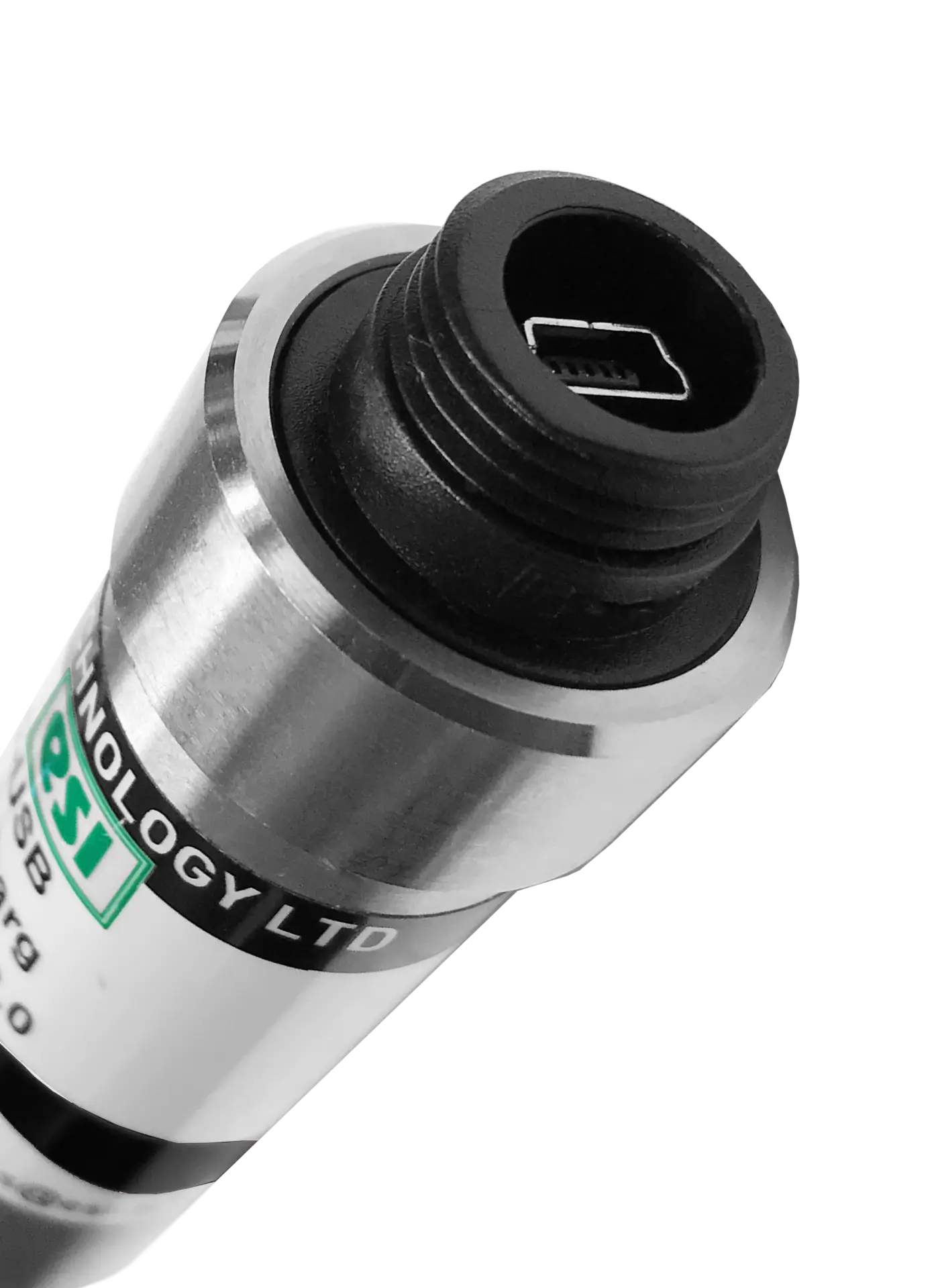
Materials Matter: Selecting Titanium Alloys and Wetted Parts for Downhole Pressure Transmitters
 Downhole oil and gas environments push pressure measurement equipment to its limits. High pressures, corrosive chemicals, extreme temperatures, and abrasive media create demanding operating conditions that can quickly damage unsuitable materials. As a result, material selection plays a critical role in the long-term performance and reliability of pressure transmitters.
At ESI Technology, we design pressure transmitters for harsh oil and gas applications where durability matters just as much as accuracy. Products such as the HI5000 downhole pressure transmitter combine advanced sensing technology with carefully selected alloys and wetted materials that deliver reliable performance in extreme environments.
Why Wetted Parts Matter in Downhole Applications
Wetted parts include every component that comes into direct contact with the process media. In downhole environments, these components often face exposure to:
- Hydrogen sulphide (H₂S)
- Sour gas
- Saltwater and brines
- Corrosive drilling fluids
- High-temperature hydrocarbons
- Abrasive contaminants
Because of these challenges, unsuitable materials can corrode, crack, or weaken over time. Even minor corrosion can affect measurement accuracy, compromise structural integrity, and reduce the lifespan of the transmitter.
Therefore, operators must choose materials that can withstand aggressive conditions throughout the life of the well.
The Challenges of Harsh Downhole Environments
Downhole applications expose pressure transmitters to several stresses at the same time. High pressures create significant mechanical strain, while elevated temperatures accelerate material degradation.
Many wells also contain sour media with hydrogen sulphide. In these environments, certain metals become vulnerable to sulphide stress cracking and other forms of corrosion.
To ensure reliable operation, downhole pressure transmitters need materials that provide:
- Excellent corrosion resistance
- High mechanical strength
- Thermal stability
- Chemical compatibility
- Long-term durability under pressure
Consequently, material selection becomes a key factor in transmitter design.
Stainless Steel for General Oil and Gas Applications
Stainless steel remains one of the most widely used materials in the oil and gas industry. It offers a strong balance of corrosion resistance, durability, and cost-effectiveness.
For many offshore and industrial applications, high-grade stainless steel provides dependable performance for pressure ports, diaphragms, and transmitter housings.
As a result, many pressure transmitters use stainless steel construction to deliver reliable operation in demanding environments.
However, some downhole applications require even greater resistance to corrosion, chemical attack, and temperature extremes.
Why Titanium Alloys Excel in Downhole Applications
Titanium alloys offer an attractive solution for some of the most challenging downhole environments. These materials combine exceptional corrosion resistance with a high strength-to-weight ratio, making them well suited to harsh oil, gas, and geothermal applications.
Unlike many conventional metals, titanium naturally forms a protective oxide layer on its surface. This layer helps shield the material from corrosive attack and supports long-term performance in aggressive environments.
Titanium alloys provide several important advantages, including:
- Outstanding resistance to seawater and brines
- Excellent corrosion resistance in many chemical environments
- High strength combined with low weight
- Good resistance to erosion and wear
- Reliable performance at elevated temperatures
Because of these properties, engineers often select titanium alloys for applications where long-term durability and reliability remain essential.
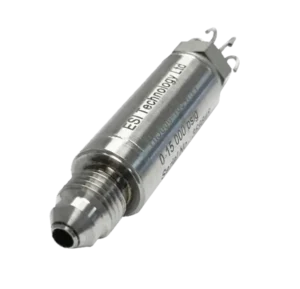 The ESI Technology HI5000 downhole pressure transmitter can incorporate carefully selected materials to meet the demands of severe operating environments where standard materials may not provide sufficient protection.
Diaphragm Material Selection Directly Affects Performance
The sensing diaphragm is one of the most important wetted components inside a pressure transmitter. This thin membrane responds directly to process pressure, so its material properties have a direct impact on both accuracy and durability.
When engineers select the wrong diaphragm material, several issues can develop over time, including:
- Corrosion pitting
- Fatigue cracking
- Reduced sensitivity
- Pressure drift
- Mechanical failure
For this reason, ESI Technology carefully matches diaphragm materials to the intended operating environment.
This approach helps customers maintain accurate pressure measurements while improving long-term reliability in demanding applications.
Material Selection Extends Sensor Life
Choosing the right alloy does more than prevent corrosion. It also helps pressure transmitters maintain stable performance throughout their service life.
Over time, material degradation can affect diaphragm behaviour, sealing performance, and calibration stability. Eventually, these issues may lead to signal drift, reduced accuracy, or complete sensor failure.
By selecting corrosion-resistant wetted materials, operators can reduce maintenance requirements and extend the operational life of their pressure transmitters.
As a result, they can lower downtime costs and improve confidence in critical pressure monitoring systems.
High Temperatures Demand Advanced Materials
Many downhole applications involve extreme operating temperatures. These conditions place additional stress on both mechanical components and electronic systems.
Some metals lose strength as temperatures rise, while others become more susceptible to chemical attack. Therefore, engineers must select materials that retain their mechanical properties and corrosion resistance under thermal stress.
Titanium alloys offer excellent performance across a wide range of operating conditions, making them a valuable option for demanding oil, gas, and geothermal applications.
The ESI Technology HI5000 combines rugged construction with materials designed to perform reliably in challenging high-temperature environments.
Custom Material Solutions for Specialist Applications
Every well presents a unique set of operating conditions. Pressure levels, fluid composition, temperatures, and chemical exposure can vary significantly from one application to another.
Because of this, many operators require customised material configurations that match the specific demands of their environment.
ESI Technology works closely with customers to select wetted materials that suit each application. This collaborative approach helps achieve stronger material compatibility, improved reliability, and longer service life.
Reliable Pressure Measurement Starts with the Right Materials
In downhole pressure measurement, material selection influences every aspect of transmitter performance. Even the most advanced sensing technology relies on strong, corrosion-resistant wetted components that can withstand harsh operating conditions.
ESI Technology’s oil and gas pressure transmitters combine advanced sensing technology with carefully selected alloys and wetted materials to support reliable operation in demanding oil, gas, and geothermal applications. From stainless steel construction to advanced titanium alloy solutions, ESI helps operators achieve dependable long-term pressure measurement where reliability is critical.