Our Unit Converter
The ESI Unit converter allows you to quickly and easily access a conversion tool to work out your preferred unit of pressure measurement wherever you may be. Whether out on-site or in the office.

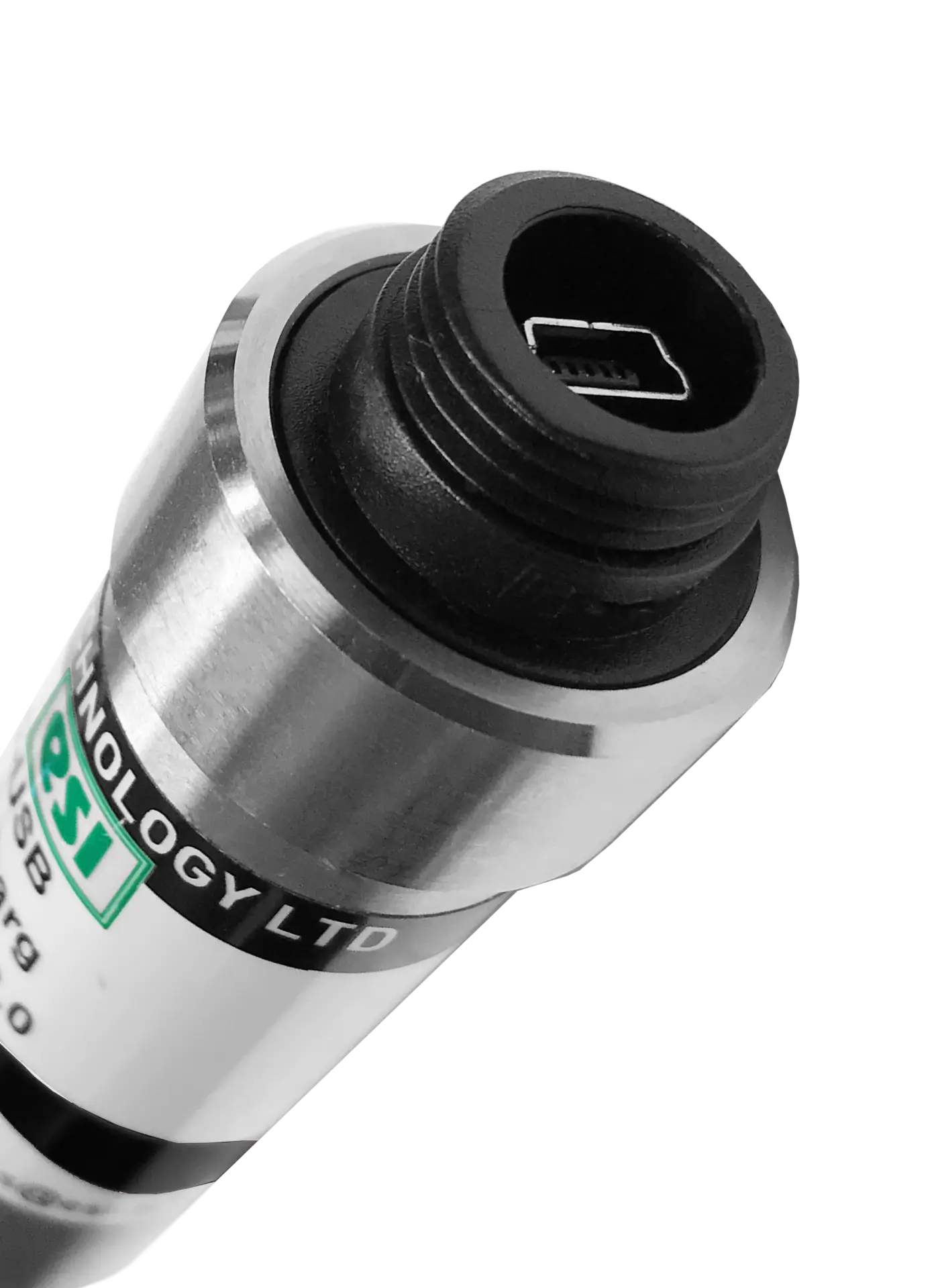
Download the ESI-USB© Software
The ESI-USB© software allows you to connect your ESI transducer to your laptop or PC and be up and running monitoring pressure data within ten minutes. The software auto-updates and is compatible with Windows 8, 10 & 11.
Permanent Downhole Monitoring Systems: Where the HI5000 Fits
The Growing Importance of Downhole Data
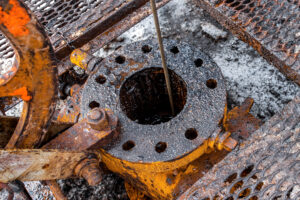 In modern oil & gas, geothermal, and subsurface energy operations, data has become just as valuable as the resource itself. Operators no longer rely solely on intermittent well testing or surface measurements to understand conditions deep underground. Instead, Permanent Downhole Monitoring Systems (PDMS) now provide continuous, real-time insight into well conditions throughout the entire life of a well.
Highly specialised pressure and temperature sensors sit at the centre of these systems. These sensors must survive some of the harshest environments on Earth while continuing to deliver accurate data year after year. The HI5000 downhole pressure transmitter from ESI plays an important role in making that possible.
What Are Permanent Downhole Monitoring Systems?
Permanent downhole monitoring systems continuously collect data from within the wellbore, often thousands of metres below the surface. Operators use these systems to monitor bottom-hole pressure, reservoir behaviour, flow performance, and well integrity in real time.
Instead of taking periodic manual measurements, engineers receive a constant stream of accurate data that helps them optimise production, improve safety, and reduce costly downtime.
Permanent monitoring delivers particular value in demanding applications such as deep oil wells, geothermal systems, subsea installations, hydrogen storage projects, and high-pressure gas operations. These environments expose instrumentation to extreme temperatures, intense vibration, corrosive fluids, and enormous pressures. Conventional sensors often struggle to operate reliably under these conditions for extended periods.
Engineered for Harsh Downhole Environments
The HI5000 was specifically engineered to handle these challenges.
The HI5000 downhole pressure transmitter from ESI supports permanent downhole monitoring and other high-temperature, high-pressure applications. Its compact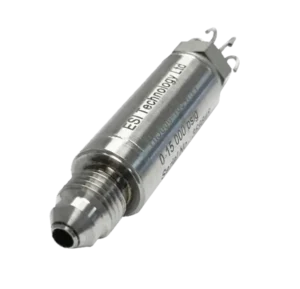 construction, rugged materials, and Silicon-on-Sapphire sensing technology make it highly suitable for long-term deployment in harsh subsurface environments.
Maintaining Accuracy Over Time
Maintaining measurement accuracy over long operational periods remains one of the biggest challenges in permanent downhole monitoring. Temperature fluctuations, pressure cycling, and vibration can all cause drift in conventional sensor technologies.
The HI5000 combats these issues through Silicon-on-Sapphire (SOS) technology, which delivers excellent thermal stability, long-term reliability, and strong resistance to harsh media.
The transmitter operates at temperatures up to 200°C and pressures up to 2000 bar (29,000 psi), allowing it to perform reliably in extremely demanding downhole conditions.
Typical Applications for the HI5000
These capabilities make the HI5000 well suited to applications including:
- Permanent reservoir monitoring
- Managed pressure drilling (MPD)
- Well integrity monitoring
- Geothermal drilling systems
- Subsea production systems
- Hydraulic and high-pressure test equipment
- Oil and gas completion tools
Why Reliability Matters in Permanent Monitoring
 Reliability remains absolutely critical in permanent monitoring systems. Retrieving and replacing failed instrumentation from deep wells creates major technical challenges and significant costs. Because of this, operators need sensors that can deliver dependable performance over long operational lifetimes.
The HI5000 addresses this requirement through its all-welded, sealed construction, which protects the sensing element from moisture ingress and corrosive media. NACE-compliant materials also improve resistance in sour gas and chemically aggressive environments.
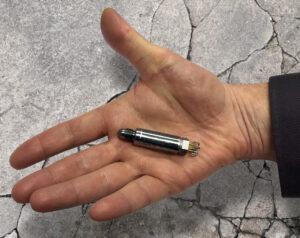
Its compact body, measuring approximately 58 mm in length, allows engineers to install the transmitter in applications where space is limited.
Supporting Smarter Operational Decisions
Permanent downhole monitoring systems also help operators make smarter operational decisions. Real-time pressure data allows engineers to detect abnormal conditions early, optimise production rates, monitor reservoir depletion, and identify issues such as kicks, lost circulation, or water breakthrough before they develop into larger operational problems.
The Future of Permanent Monitoring Systems
As energy operations continue moving toward automation and data-driven optimisation, demand for robust permanent downhole instrumentation will continue to grow.
Sensors no longer act as passive background components. Instead, they function as the nervous system of the well itself, continuously feeding critical operational data back to surface teams like an industrial heartbeat echoing up from the Earth’s deep circuitry.
A Dependable Solution for Demanding Applications
Within these systems, the HI5000 holds an important position. Its combination of compact mechanical design, high-pressure capability, extreme temperature performance, and long-term measurement stability gives operators a dependable solution for permanent downhole monitoring in some of the world’s most demanding industrial environments.
For operators who require reliable downhole pressure measurement where failure is simply not an option, the HI5000 delivers the durability, stability, and performance that permanent monitoring systems demand.
Contact our sales team for a quote: Call +44(0)1978 262255 or email [email protected]