Our Unit Converter
The ESI Unit converter allows you to quickly and easily access a conversion tool to work out your preferred unit of pressure measurement wherever you may be. Whether out on-site or in the office.

Download the ESI-USB© Software
The ESI-USB© software allows you to connect your ESI transducer to your laptop or PC and be up and running monitoring pressure data within ten minutes. The software auto-updates and is compatible with Windows 8, 10 & 11.
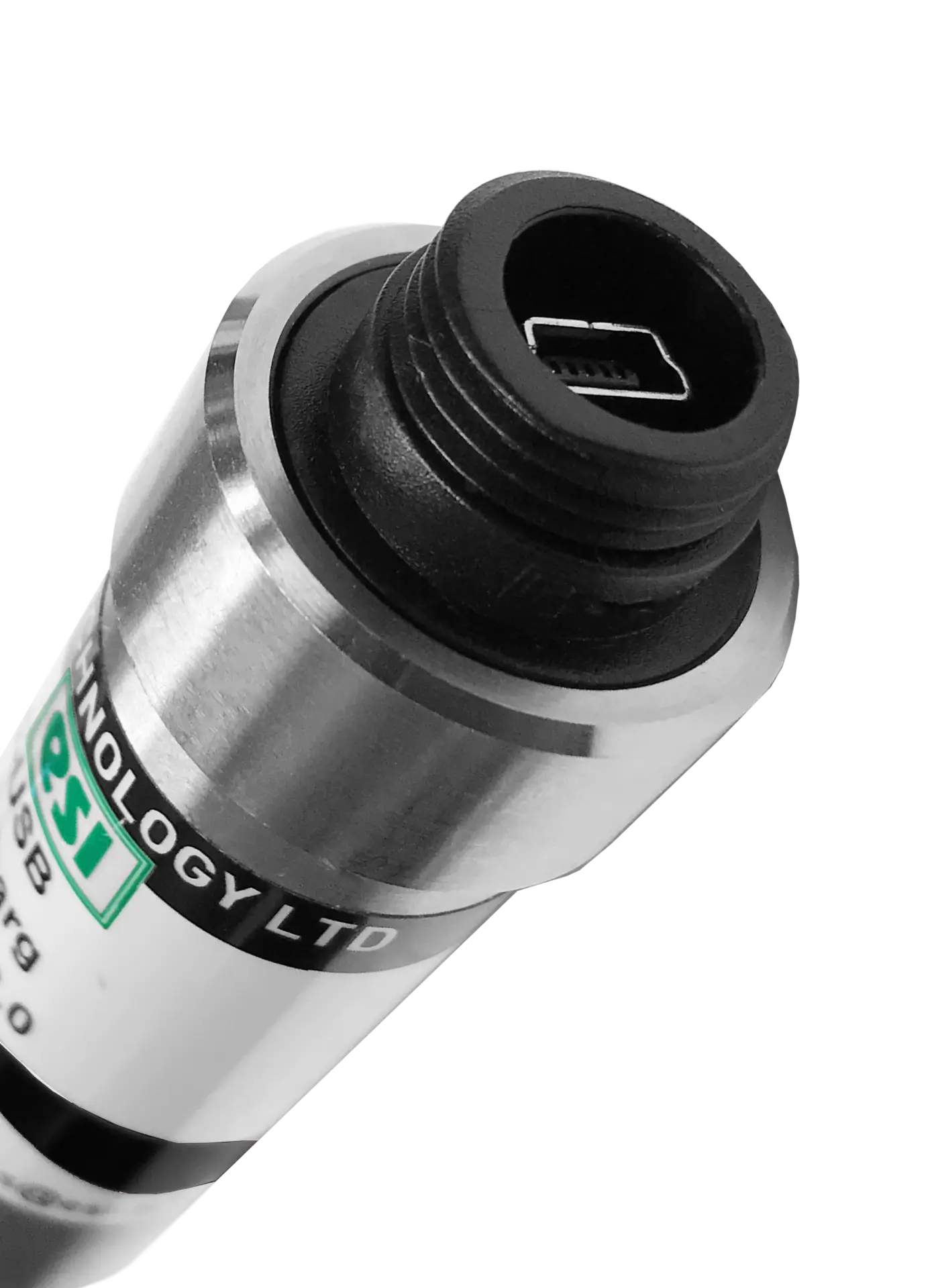
Why Silicon-on-Sapphire Sensors Are Ideal for Extreme Aerospace Environments
Modern aircraft operate in some of the harshest environments engineers can imagine. Pressure sensors must withstand freezing temperatures at high altitude, intense vibration from engines and turbines, rapid pressure fluctuations, and exposure to aggressive hydraulic fluids and fuels. In these conditions, reliability matters just as much as accuracy.
This is why many aerospace engineers choose Silicon-on-Sapphire (SOS) pressure sensors for critical applications. SOS technology delivers exceptional stability, durability, and performance in environments where conventional sensing technologies often struggle.
At ESI, Silicon-on-Sapphire technology forms the foundation of many of our pressure transducers and transmitters designed for aerospace, defence, oil and gas, marine, and industrial applications.
What is Silicon-on-Sapphire Technology?
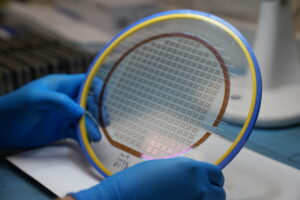 Silicon-on-Sapphire technology combines a silicon strain gauge element with a sapphire substrate to create a highly stable sensing device. Engineers bond the silicon directly onto the sapphire crystal using molecular fusion techniques, creating an extremely robust sensor structure.
Unlike conventional pressure sensing technologies that rely on oil-filled cavities or bonded diaphragms, SOS sensors use a simpler and more stable design. This construction reduces the risk of drift, improves long-term reliability, and enhances resistance to harsh operating conditions.
The sapphire substrate also provides excellent electrical insulation and mechanical strength. These characteristics allow the sensor to maintain stable performance even in environments with high vibration, rapid temperature changes, and strong electromagnetic interference.
Aerospace Environments Demand More from Sensors
 Aircraft systems place enormous demands on pressure measurement equipment. Sensors operate inside engines, hydraulic systems, fuel systems, environmental control systems, and braking systems.
These applications expose sensors to:
- Extreme temperature variation
- High shock and vibration levels
- Rapid pressure cycling
- Electromagnetic interference
- Aggressive fluids and fuels
- High altitude operating conditions
A small measurement error can affect system efficiency, maintenance schedules, or operational safety. Aerospace manufacturers therefore require pressure sensors that continue performing accurately over long operational lifespans.
Exceptional Temperature Stability
Temperature variation creates one of the biggest challenges in aerospace pressure measurement. Aircraft can experience sub-zero temperatures during high-altitude flight before rapidly heating during landing or engine operation.
Many conventional sensor technologies experience drift when temperatures fluctuate dramatically. Silicon-on-Sapphire sensors resist these effects far more effectively.
The sapphire substrate provides excellent thermal stability, allowing SOS sensors to maintain highly accurate measurements across wide temperature ranges. This stability reduces the need for frequent recalibration and improves overall system reliability.
For aerospace engineers, this means more consistent pressure data in critical applications.
Outstanding Resistance to Vibration and Shock
 Aircraft generate continuous vibration from engines, turbines, pumps, and aerodynamic forces. During take-off, landing, and manoeuvres, sensors may also experience significant shock loading.
Silicon-on-Sapphire sensors handle these conditions exceptionally well because of their robust mechanical structure. The molecular bond between the silicon and sapphire creates a highly durable sensing element with excellent resistance to fatigue and mechanical stress.
This durability makes SOS technology particularly suitable for:
- Engine test systems
- Hydraulic pressure monitoring
- Flight control systems
- Landing gear systems
- Aerospace research and development
By maintaining stable output signals under vibration, SOS sensors help engineers avoid inaccurate readings and unwanted signal noise.
Long-Term Reliability in Critical Systems
Aerospace operators demand long service life from every component installed on an aircraft. Maintenance downtime increases costs, while unexpected sensor failures can create operational risks.
Silicon-on-Sapphire pressure sensors offer excellent long-term stability because the sensing element experiences minimal mechanical ageing over time. The simple sensor structure also reduces potential failure points compared with more complex technologies.
Strong Resistance to Harsh Media
Aerospace systems frequently use aggressive fluids, hydraulic oils, aviation fuels, and cleaning chemicals. Pressure sensors must resist corrosion while maintaining measurement accuracy.
Many SOS-based pressure transmitters use titanium wetted parts because it offers excellent corrosion resistance combined with high strength and low weight. This combination makes the technology ideal for aerospace environments where both performance and weight reduction matter. The robust design also helps sensors tolerate rapid pressure changes and demanding operating cycles without compromising accuracy.
Supporting Aerospace Quality Standards
 Aerospace manufacturers require strict quality control throughout the entire design and manufacturing process. AS9100D certification helps ensure that suppliers maintain the high standards required for aerospace and defence applications.
ESI holds AS9100D certification for the design, manufacture, repair, and calibration of pressure transducers and transmitters. This certification demonstrates the company’s commitment to traceability, process control, risk management, and continuous improvement within aerospace manufacturing environments.
A Proven Solution for Demanding Applications
As aircraft systems continue advancing, pressure sensors must deliver higher reliability, greater accuracy, and stronger environmental resistance than ever before. Silicon-on-Sapphire technology provides an ideal solution for these demanding conditions.
Its exceptional temperature stability, vibration resistance, long-term reliability, and robust construction make SOS technology particularly well suited for aerospace applications where failure simply is not an option.
By combining advanced Silicon-on-Sapphire sensing technology with AS9100D-certified manufacturing processes, ESI continues supporting the aerospace industry with pressure measurement solutions designed for the world’s most extreme operating environments.
Want to know more about our specialist aerospace pressure transmitters? Contact sales +44(0)1978 262255 or [email protected]