Our Unit Converter
The ESI Unit converter allows you to quickly and easily access a conversion tool to work out your preferred unit of pressure measurement wherever you may be. Whether out on-site or in the office.

Download the ESI-USB© Software
The ESI-USB© software allows you to connect your ESI transducer to your laptop or PC and be up and running monitoring pressure data within ten minutes. The software auto-updates and is compatible with Windows 8, 10 & 11.
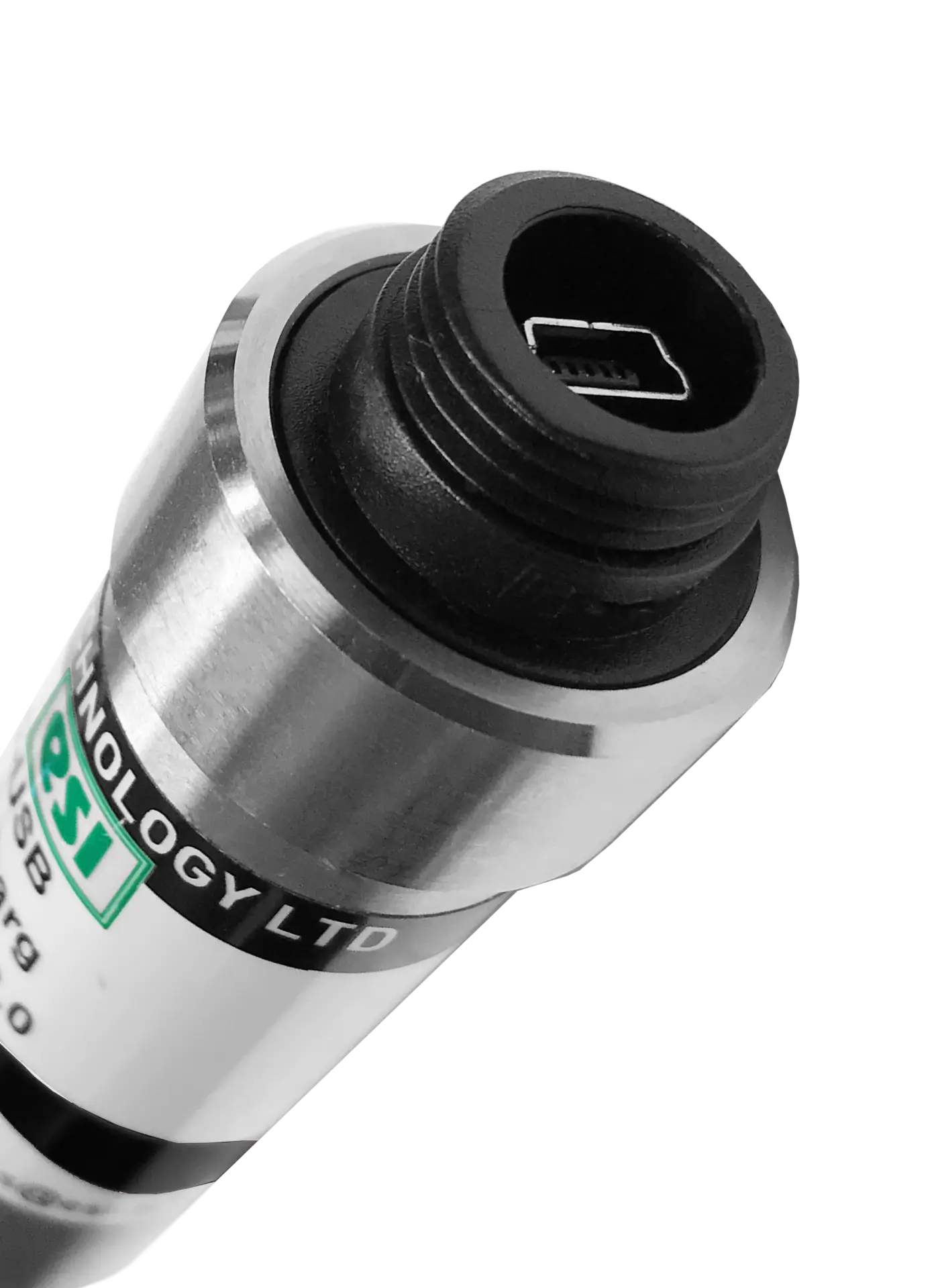
 Accuracy Under Extreme Conditions: Pressure Measurement in Hazardous Hydrocarbon Environments
 Accuracy Under Extreme Conditions: Pressure Measurement in Hazardous Hydrocarbon Environments
In the hydrocarbon industry, extreme conditions are not exceptional. High pressures, wide temperature ranges, vibration, corrosive media and hazardous atmospheres are part of everyday operation. From offshore platforms and subsea installations to refineries, gas processing plants and hydrogen-adjacent systems, pressure measurement must function reliably where failure carries serious consequences.
In these environments, accuracy is not simply a specification on a datasheet. It is a critical component of process control, safety, and long-term asset performance.
When hazardous is the baseline
Hydrocarbon applications routinely operate in classified hazardous areas where the presence of flammable gases or vapours demands strict adherence to international standards. Instrumentation used in these zones must not only meet ATEX and IECEx requirements, but do so consistently over the full life of the installation. 
However, certification alone is not enough. Pressure transmitters are expected to maintain stable, repeatable measurement despite thermal cycling, mechanical stress and prolonged exposure to aggressive process media. Drift, signal instability or premature failure can introduce risk, trigger unnecessary maintenance, or compromise safety cases.
Designing instrumentation for hazardous reality means accepting these challenges as the starting point rather than the exception.
Engineering for long-term accuracy
Pressure measurement in hydrocarbon systems is often continuous, heavy duty and long term. Whether monitoring wellhead pressures, managing flow in pipelines, or controlling critical refinery processes, transmitters must deliver dependable output over years of operation.
Long-term accuracy is influenced by sensor technology, mechanical design and manufacturing control. Silicon-on-Sapphire sensing, for example, offers inherent stability at high temperatures and pressures, making it particularly suitable for demanding hydrocarbon applications. When combined with robust mechanical construction and careful isolation from environmental stresses, this approach supports measurement integrity even in harsh conditions.
Equally important is repeatability. Consistent measurement over time enables operators to trust their data, detect genuine process changes and avoid false alarms. In hazardous environments, this trust directly supports safer and more efficient operation.
Precision that supports safety and compliance
Accurate pressure measurement plays a central role in safety systems, from overpressure protection to leak detection and process interlocks. In hazardous areas, reliable data is essential for maintaining safe operating envelopes and demonstrating compliance with regulatory requirements.
Traceability and documentation therefore become as important as the instrument itself. Calibration data, test records and supporting certification allow operators and integrators to demonstrate that their pressure measurement strategy aligns with internal quality procedures and external standards.
For hydrocarbon projects, where audits and safety reviews are routine, this documentation provides confidence that instrumentation will perform as expected throughout its service life.
Built for harsh environments
Hydrocarbon installations present a combination of environmental challenges. Temperature extremes, vibration from rotating equipment, exposure to chemicals and salt-laden atmospheres all place stress on instrumentation.
Pressure transmitters designed for these conditions prioritise durability alongside precision. Materials selection, sealing methods and mechanical design are critical in ensuring that performance is maintained without frequent intervention. The result is reduced maintenance, improved uptime and lower total cost of ownership.
Importantly, this robustness must not come at the expense of measurement performance. The most effective solutions balance mechanical strength with sensor sensitivity and signal stability.
A measured approach to extreme conditions
In hazardous hydrocarbon environments, pressure measurement is not about pushing limits. It is about delivering dependable, repeatable performance where uncertainty is unacceptable.
By engineering pressure transmitters for hazardous reality and focusing on long-term accuracy under extreme conditions, manufacturers can support safer operations, more efficient processes and greater confidence in critical data.
In an industry where conditions are demanding by default, precision is not a luxury. It is a necessity.
Take a look at our range here